Thursday, June 21, 2012

Kansas: Early Calf Weaning Might Prove Beneficial

AgFax.Com - Your Online Ag News Source


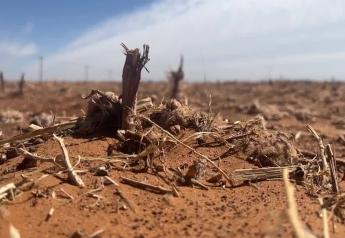
Dry conditions through large swaths of the Plains states are forcing management decisions on cattle and other agricultural operations. Among them may be the decision to wean calves earlier than usual.

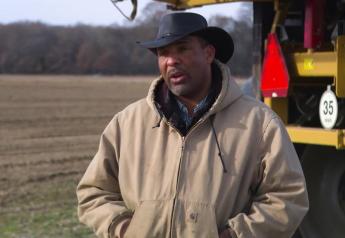
“Most areas have gotten a reprieve from the 2011 drought, but others are still feeling the lingering effects of low rainfall and high feed costs,” said Kansas State University animal scientist, Chris Reinhardt. “Early weaning is an effective way to save on summer pasture and preserve cow body condition going into the winter. In fact, weaning earlier may be worth considering every year regardless of summer pasture conditions.”

Reinhardt, who is a beef specialist with K-State Research and Extension, said a calf’s rumen begins to develop at the first opportunity to consume solid food. Although calves rely on milk as their primary nutrient source as long as the supply is abundant, they also will begin to graze alongside their dam at a few weeks of age. This is when their mother teaches them what to eat and what to avoid.

The grass that is consumed early in life enters the rumen and begins to be fermented by bacteria which the calf picks up from its mother and the world around it, he said. As this fermentation progresses, and the calf consumes greater quantities of grass, the rumen grows in size and develops papillae, or finger-like projections, which aid in nutrient uptake from the rumen. So the suckling calf is actually a fully functioning ruminant by 90 days of age.

In addition, the six- to seven-month weaning age window may have disadvantages compared to weaning at a younger age, Reinhardt said. The passive immunity provided by colostrum remains active for three to four months but then wanes, after which time the calf must rely completely on its own immune system.

But in many cases its system is not fully competent to battle all antigens that attack the newly-weaned calf, such as viruses, bacteria, dust and internal parasites. So it is possible that the 90-day-old calf may have an immunological advantage to the 205-day-old calf in battling pathogens.

“Weather also plays a large factor in weaned calf health,” he said. “If we could guarantee sunshine and moderate temperatures throughout the fall weaning season, calf health would not be an issue. But, cold temperatures, precipitation, wind and mud in the fall further suppresses an already incompetent immune system—a perfect recipe for respiratory disease.”

Finally, the elimination of milk production after weaning allows the nutrients consumed by the cow to go back into rebuilding body condition. This could result in substantial reductions in winter feed requirements because nutrients harvested by the cow are nearly always lower cost than feeds harvested and transported to the cow, and forage quality in late summer and fall is nearly always greater than during the winter.

Tags: , , , ,


Leave a Reply

Name and Email Address are required fields. Your email will not be published or shared with third parties.

Sunbelt Ag News

    DTN Cotton Open: Trades Mixed within Tight Ranges5-23

    Gasoline Prices: Average Rises by 7 Cents5-23

    Propane Stocks: Increase by 2.2M Barrels5-23

    Diesel Prices: National Average Up 2 Cents5-23

    DTN Livestock Open: Meat Futures to Start Lower5-23

    DTN Grain Open: Wheat, Soybeans Posting Gains5-23

    Keith Good: Corn Planting Forecast Good; Farm Bill Amendments Abound5-23

    Southern Grain Crops – Scattered Pests, More Delays – AgFax5-23

    Grain TV: Strong Ethanol Production Boosts Corn5-22

    Attempts to Reform Current Sugar Policy Shot Down5-22

    Texas: Extension Meetings to Discuss ACRE Program5-22

    Doane Cotton Close: Short Term Prospects Negative5-22

    Arkansas: Storms Add More Headaches, Knock Down Hay, Wheat5-22

    Estate Planning: Is a Dynasty Trust the Right Way to Protect Your Successors?5-22

    AFB Grain-Soybean Close: Strong Across the Board Gains5-22

    AFB Cotton Close: Minor New Crop Gains5-22

    AFB Rice Close: Futures Firm on Grain Strength5-22

    Rough Rice Prices Decrease5-22

    Farmland Values Not Dropping Yet but It Could Happen Soon5-22

    Southeast Cotton: Scattered Fields Now Too Dry For Planting – AgFax5-22

    Tips for Hurricane Preparedness from Texas Extension5-22

    DTN Cotton Close: Mixed As July Discount Widens5-22

    DTN Grain Close: July Corn Leads Markets Higher5-22

    Kansas: Ag Mediation Services Available to Help Producers and Lenders5-22

    DTN Livestock Midday: Lean Hog Futures Gain Strength5-22

    AgFax Grain Review: Record Planting Speed; China to Increase Soybean Imports5-22

    DTN Grain Midday: Corn, Wheat Trade Move Higher5-22

    Good on Grain: Corn Planting Progress Rapid but Below Record Pace5-22

    What Does Monsanto’s Win Mean for Self-Replicating Technologies?5-22

    Southwest Cotton Planting Picks Up, Still Dry, Fleahoppers Arrive – AgFax5-21

    Corn: Planted By Farmers, Helped By Technology5-21

    Peanuts: Argentine Crop Hit By Frost5-21

    USDA National Peanut Prices5-21

    How To Become A Farmer 1015-21

    How Low Interest Rates Are In Line With Farmland Prices5-21

    AgFax Rice Review: U.S. Production, Exports Down; Japanese Rice Returns to Evacuation Zone5-21

    DTN Fertilizer Trends: 6 of 8 See Slight Price Drop5-21

    “Fungicides For Field Crops” – Multi State Project5-21

    Louisiana: Crop Production Field Day Set June 19 in St. Joseph5-21

    Roberts Commodity Report: USDA Corn Planting Data Questionable5-21

    Taiwan: Working Out Grading Issues on U.S.-Taiwan Rice Trade5-20

    Weekly Crop Progress: Corn Planting Jumps 43% in 1 Week5-20

    Rice Progress: Crop 80% Planted, 60% Emerged5-20

    Texas: Pecos River Watershed Protection Plan Meetings, June 4-55-20

    Welch on Wheat: Crop Condition Drops, but Still Higher Than 20115-20

    Judas Pig Betrays The Herd5-20

    Roundup Ready Alfalfa Back in the Game5-20

    U.S. Aquifers Drained at Accelerated Rate, Study Says5-20

    USDA Faces Deadline to Modify Country of Origin Labels5-20

    Cotton: Where Did Your Denim Jeans Come From?5-20

    Good on Grain: Corn, Soybean Prices Retracing 2012 Drought Rally5-20

    Flint On Crops: Late Planting Changes Everything5-20

    USDA Foreign Catfish Program to Crank Up by Year’s End5-20

    Rice Market: Southern Crop 4 Weeks Behind in Some Locations5-18

    New Focus on Fertilizer Safety, Storage Regulations5-17

    DTN Livestock Close: Futures End Week with Sharp Losses5-17

    Florida: Perennial Peanut Producer’s Field Day, June 15-17

    Cleveland on Cotton: U.S. Plantings Mostly in Southwest, Drought Continues5-17

    Wheat Price Highlights: Nearby Contracts Down on Technical Selling5-17

    Farm Bill: Serious Debate Expected On The Floor5-17

    Sunbelt Ag Events


    About Us

    AgFax.Com covers agricultural trends and production topics, with an emphasis on news about cotton, rice, peanuts, corn, soybeans, wheat and tree crops, including almonds, pecans, walnuts and pistachios.


    This site also serves as the on-line presence of electronic crop and pest reports published by AgFax Media LLC (formerly Looking South Communications).


    Click here to subscribe to our free reports.


    We provide early warnings and confirmations about pests, diseases and other factors that influence yield. Our goal is to quickly provide farmers and crop advisors with information needed to make better and more profitable decisions.


    Our free weekly crop and pest advisories include:

    • AgFax Midsouth Cotton, covering cotton production and news in Alabama, Arkansas, Louisiana, Mississippi, Tennessee and Missouri.

    • AgFax Southeast Cotton, covering cotton production and news in Alabama, Florida, Georgia, North Carolina, South Carolina and Virginia.

    • AgFax Southwest Cotton (new for 2013!), covering cotton production and news in Texas, Oklahoma, Kansas and New Mexico.

    • AgFax West (formerly MiteFax: SJV Cotton), covering California cotton, alfalfa, tomatoes and other non-permanent crops in California's Central Valley.

    • AgFax Rice covering rice production and news in Arkansas, Louisiana, Mississippi, Missouri and Texas.

    • AgFax Peanuts, covering peanut production in Alabama, Arkansas, Florida, Georgia, Louisiana, Mississippi, North Carolina, South Carolina, Texas and Virginia.

    • AgFax Southern Grain: covering soybeans, corn, milo and small grains in Southern states.

    • AgFax Almonds, covering almonds, pistachios, walnuts and other tree crops in California's Central Valley.

    • AgCom 101, providing guidance to ag professionals involved in social media.

    Our newsletters are sponsored by the following companies: FMC Corporation Chemtura Dow AgroSciences.


    Mission statement:

    Make it as easy as possible for our community of readers to find and/or receive needed information.


    Contact Information:

    AgFax Media. LLC

    142 Westlake Drive Brandon, MS 39047

    601-992-9488 Office 601-992-3503 Fax

    Owen Taylor Debra L. Ferguson Laurie Courtney


    Circulation Questions?

    Contact Laurie Courtney